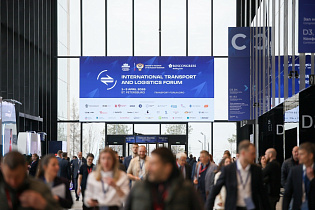
The Forum is held in accordance with the instructions of the President of the Russian Federation to ensure the global competitiveness of Russia’s transport corridors and implement the country’s National Development Goals until 2030 with a Perspective until 2036. For the first time, St. Petersburg will host the event, which will take place on 1–3 April 2026.
“Today, we are witnessing a fundamental restructuring of global supply chains. In the context of the emerging multipolar world, the International Transport and Logistics Forum is becoming more than just a discussion platform; it is an intellectual hub for designing a new architecture of transport connectivity. There are technical, regulatory, and legal challenges to the development of Arctic routes and international transport corridors in the Eurasian space, as well as to the integration of African countries into them. And the solutions to these challenges will serve as a tool for ensuring the economic sovereignty of our states. Russia, with its unique geographic and technological potential, is ready to act as a platform for professional dialogue, offering partners in Greater Eurasia and Africa opportunities and solutions based on the free exchange of knowledge and access to the latest technologies,” noted Adviser to the President of the Russian Federation and Executive Secretary of the International Transport and Logistics Forum Organizing Committee Anton Kobyakov.
The Forum will focus on the development of international transport corridors (ITCs), strengthening integration ties within the Union State of Belarus and Russia, the Eurasian Economic Union (EAEU), and the Commonwealth of Independent States (CIS), improving the regulatory framework of global industry regulators, and leveraging the potential of organizations such as the Shanghai Cooperation Organisation (SCO) and BRICS.
“The International Transport and Logistics Forum will become an important platform for developing solutions that will create a competitive logistics infrastructure for Greater Eurasia. The development of North–South corridors, Arctic Routes, and multimodal transportation will strengthen Russia’s position as a global transport hub within the EAEU and the SCO, while multilateral dialogue will enable the exchange of best practices and technologies to improve the efficiency of transport systems, increase trade turnover and investments, and strengthen economic connectivity with partner countries,” said Minister of Transport of the Russian Federation Andrey Nikitin.
Discussions at the Forum will focus on the development of ITC infrastructure, freight and passenger logistics, the implementation of innovative technologies and digital services, and regulatory frameworks for the transport industry.
The business programme architecture is structured around three main thematic tracks. Strategic dialogues and events will also be held on the sidelines on the Forum as part of the work of international transport organizations.
The first track – ‘Logistics and Transport Sectors’ – will cover a wide range of strategic topics aimed at improving the modern international transport system. It will focus on the implementation of international agreements on air, road, rail, and water transport infrastructure, and tourism development.
The ‘Global Connectivity and Transport Corridors’ track will explore the role of transport arteries as drivers of global integration. The transit potential of Russia will be examined in detail, with participants discussing the creation and expansion of international transport hubs, the potential of the Azov–Black Sea basin, and the Northern Sea Route as a new logistics axis for Russia. The agenda also includes discussions on the international expansion of transport companies and the removal of barriers in international freight transportation.
The ‘Digitalization and the Future of Transport’ track will be a platform for discussing key areas of development in the transport industry through the lens of digital technologies, as well as the implementation of autonomous, driverless systems. The discussion will conclude with general issues of innovation and digitalization in transport.
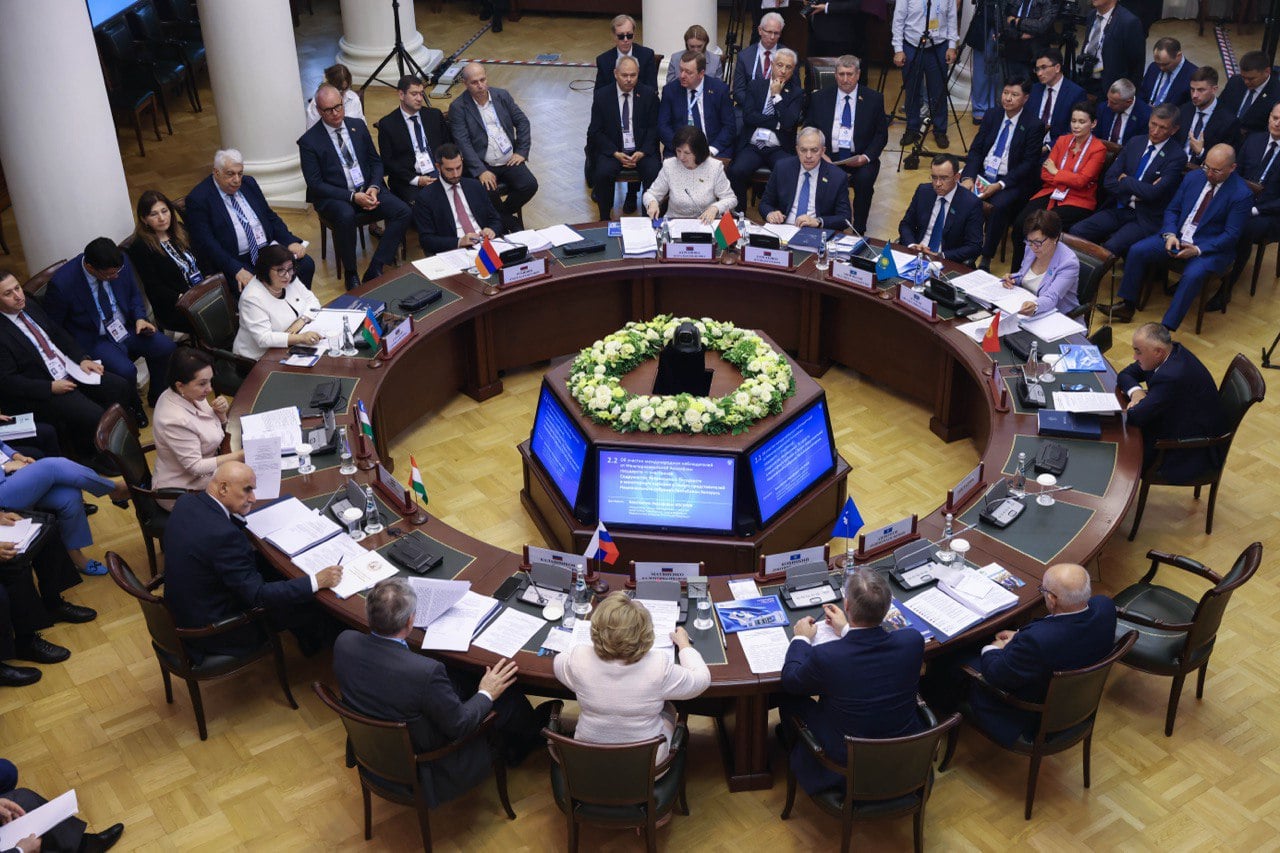
The Forum will go beyond the discussion of practical solutions and the exchange of transport sector knowledge to put forward a broad interstate agenda on legal and regulatory frameworks, tariff regulation of transport systems, and ensuring global connectivity. Key meetings will take place at the event, including a meeting of EAEU member states’ transport control agency heads, a meeting of the joint commission for the implementation of the intergovernmental agreement on international road transport along the Asian Highway Network, and a session of the Council of heads of EAEU member states’ transport departments.
The full business programme architecture is available on the website: transport-forum.org.